


Water pressure, Troubleshooting tips
What are the signs of a faulty pressure switch?
4 most common signs to look for
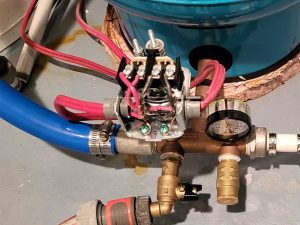
A faulty pressure switch generally manifests as:
✓ low water pressure or no water
✓ a pump that won’t start
✓ a pump that starts and stops frequently
✓ unusual noises or no clicking from the pressure switch
Before replacing the pressure switch, it is essential to verify that the problem does not stem from the power supply, the pressure tank, the pressure gauge, or the pump itself.
| Symptom | Possible cause related to the pressure switch |
|---|---|
| Pump won’t start | Electrical contacts no longer closing, worn or burnt contacts. |
| Pump never stops / frequent starts | Pressure switch not detecting pressure correctly or poor pressure signal. |
| Unstable pressure | Poor start/stop control, pressure switch reacting too early or too late. |
| No clicking from the pressure switch | Faulty internal mechanism, stuck contacts, upstream electrical problem. |
Checks to perform before replacing the pressure switch
✓ Check the circuit breaker
✓ Check the power supply
✓ Check the pressure on the gauge
✓ Check the electrical connections
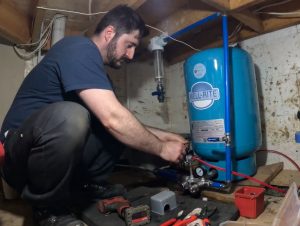
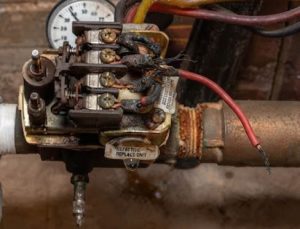
How to check if your pressure switch is working properly:
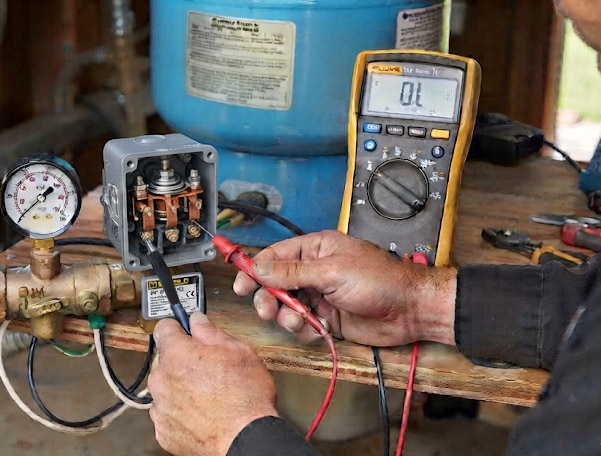
1) Continuity test (using a multimeter):
- Switch off your system’s power supply.
- Disconnect the wires connected to the pressure switch by removing the terminal connectors.
- Set your multimeter to continuity mode.
- Touch each multimeter probe to one of the pressure switch terminals.
- The multimeter should display a value close to 0 ohm (indicating no resistance).
2) Voltage test (using a multimeter) :
- Make sure the power is off.
- Reconnect the wires to the pressure switch.
- Set the multimeter to measure AC voltage (V AC).
- Touch the multimeter probes to the pressure switch terminals.
- The multimeter should display a voltage corresponding to your system configuration.
3) Using a pressure gauge (for a more precise measurement) :
- Connect a pressure gauge to the pressure switch.
- Increase pressure until the pressure switch changes state (opens or closes).
- Note the pressure value at this point.
Keeping your well pump system in good working order is essential to ensuring a constant, reliable water supply. As a well pump service provider, we can help you if you encounter any of these problems.
You can also do it yourself if you are handy with electricity; you can Order a pressure switch from our online store, with in-store pickup by appointment.
What is the role of the pressure switch?
The pressure switch is an automatic switch that controls the starting and stopping of the pump based on water pressure. It works with the pressure tank to ensure a continuous water supply. It maintains stable pressure in your system and prevents the pump from running unnecessarily.
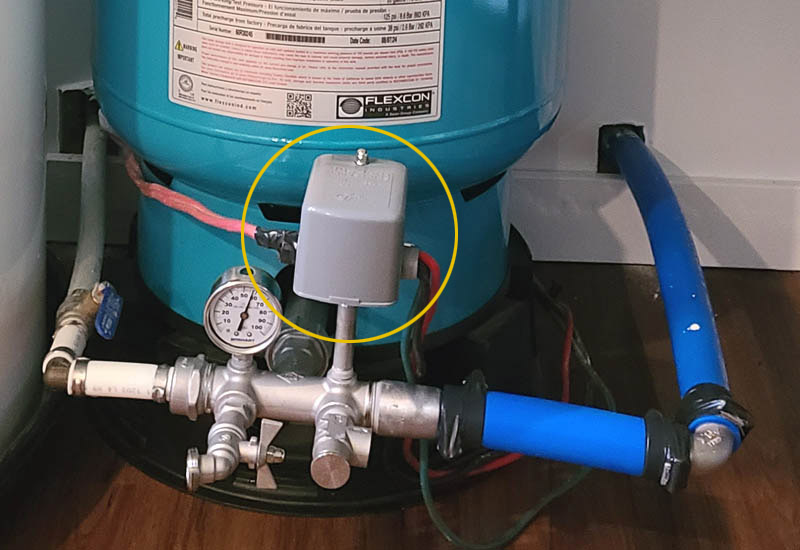
Its main functions are:
- Start the pump when the pressure is too low.
- Stop the pump when the maximum pressure is reached.
- Maintain constant water pressure.
- Automatically control the pump motor.
- Reduce wear on the pump and the system.
Note: A standard pressure switch does not protect the pump against a lack of water. This protection is only offered by a pressure switch with low water level protection.
What is the difference between a standard pressure switch and a low water level pressure switch?
| Feature | Standard pressure switch | Low water level pressure switch |
|---|---|---|
| Controls pressure | Yes | Yes |
| Starts and stops the pump | Yes | Yes |
| Protects against lack of water | No | Yes |
| Dry run protection | No | Yes |
| Recommended use | Wells with stable flow | Wells with risk of water shortage |
Can a pressure switch be repaired?
Replacement is preferred over internal repair.
The reasons:
- Parts are rarely available.
- Relatively low cost of the component.
- Wear and tear of the contacts.
- Reliability after intervention.
When to replace a pressure switch?
Replacement is generally considered when:
- Contacts are burnt or worn.
- The mechanism no longer responds.
- Settings cannot be maintained.
- The pressure switch shows signs of corrosion.
- The problem returns after adjustment.
Common Errors
- Replacing the pump instead of the pressure switch: A system that won’t start does not automatically indicate a faulty pump.
- Adjusting the pressure switch without checking the system: Changing settings can mask another problem.
- Ignoring the pressure tank: A faulty tank often produces similar symptoms.
Security
Before any intervention:
- Turn off the power supply.
- Verify the absence of voltage.
- Never work on a live circuit.
When to call a professional?
- An electrical check is necessary.
- The circuit breaker trips.
- The pump needs to be diagnosed.
- Multiple symptoms are present.
- The pressure switch needs to be replaced.
Frequently asked questions about a seemingly faulty pressure switch
What are the signs of a faulty pressure switch?
The most common signs of a faulty pressure switch are low water pressure, constantly varying pressure, a pump that starts and stops too often, repeated clicks coming from the pressure switch, or a pump that won’t start at all. These symptoms can also be caused by a faulty pressure tank, a water leak, an electrical problem, or a worn well pump.
Can a faulty pressure switch cause a complete lack of water?
Yes. If the pressure switch no longer detects pressure correctly or no longer transmits the electrical signal to the pump, the pump may not start. In this case, the house may completely lose its water supply. Before replacing the pressure switch, however, the power supply, pump, and pressure tank must be checked.
Why does my well pump constantly start and stop?
A pump that continuously starts and stops, known as short cycling, can be caused by an improperly adjusted or faulty pressure switch. However, the most common causes are also a pressure tank with a damaged bladder, incorrect air pressure in the tank, a leak in the water system, or an oversized pump.
What is the role of a pressure switch on a well pump?
The pressure switch is an automatic switch that controls the operation of the pump based on the water pressure in the system. When the pressure drops below the start threshold (cut-in), the pressure switch activates the pump. When the pressure reaches the stop threshold (cut-out), it cuts the power supply to maintain stable pressure in the house.
What is the normal pressure for a well pump pressure switch?
Most residential systems use a standard setting of 30/50 PSI or 40/60 PSI. The first number corresponds to the pressure at which the pump starts and the second to the pressure at which it stops. The appropriate setting depends on the pump, the pressure tank, and the residence’s water needs.
How do you test a pressure switch with a multimeter?
To test a pressure switch with a multimeter, you must first turn off the system’s power supply. A continuity test allows you to check if the internal contacts open and close correctly when the pressure changes. In the closed position, the circuit should generally show continuity close to 0 ohms. A voltage test can also confirm that power is correctly reaching the pressure switch.
Caution: Electrical tests involve a risk of electric shock. If you are not familiar with electrical work, it is best to have the system checked by a professional.
How do you check a pressure switch with a pressure gauge?
A pressure gauge allows you to verify if the pressure switch triggers at the correct pressures. By observing the system pressure, you can confirm if the pressure switch starts the pump at the intended threshold and stops it when the maximum pressure is reached. If the pressure exceeds or never reaches normal values, the problem may stem from the pressure switch or another component of the system.
Why is my pressure switch constantly clicking?
Repeated clicks coming from the pressure switch often indicate that the internal contacts are opening and closing frequently. This can be caused by unstable pressure, a faulty pressure tank, a water leak, an incorrect pressure switch setting, or an electrical problem. An occasional click is normal during pump operation, but constant clicking requires inspection.
Can you replace a pressure switch yourself?
Yes, an experienced homeowner can replace a pressure switch, but the intervention requires knowledge of plumbing and electricity. Improper installation can damage the pump, cause system malfunction, or create an electrical hazard. If you have any doubts, it is recommended to consult a technician specializing in pumping systems.
How much does it cost to replace a well pump pressure switch?
The cost can vary depending on the pressure switch model, system accessibility, and the labor required. Replacing a pressure switch is a less expensive repair than replacing a pump, but an accurate diagnosis is important to avoid replacing a part that is not the actual cause of the problem.
How do I know if the problem is with the pressure switch or the pump?
A diagnosis helps distinguish a pressure switch problem from a pump problem. If the pressure switch does not trigger correctly despite a good power supply and adequate pressure, it may be faulty. If the pressure switch functions normally but the pump does not provide pressure, the problem may be with the pump, the well, or a restriction in the system.
 ACCESSORIES
 ELECTRIC WIRES
 GRAY MAGIC PIPE THREAD COMPOUND
 HEATED WIRE
 INSULATING TAPE
 PIPES
 PRESSURE TANK TEES
 PRESSURE-GAUGE
 WELL PUMP ACCESSORIES
 CONTROL BOXES
 PRESSURE SWITCHES
 SUBMERSIBLE SUMP PUMP
 WATER PRESSURE TANKS
 SUBDRIVES
 WATER WELL PUMPS
 KITS
 ADAPTERS
 BALL VALVES
 ELBOWS
 PEX pinch clamps
 TEES
 BUSHINGS
 CAPS
 CLAMPS
 CROSS
 ELBOWS
 FOOT VALVES
 INSERT COUPLING
 NIPPLES
 PITLESS ADAPTERS
 REDUCERS
 VALVES
 WATER FILTERS
 STRING WOUND POLYPROPYLENE CARTRIDGES
 UV-MAX WATER TREATMENT
 VU-FLOW

 Français